SHS Curriculum Guide: Old Strands vs New Strengthened SHS (2026)
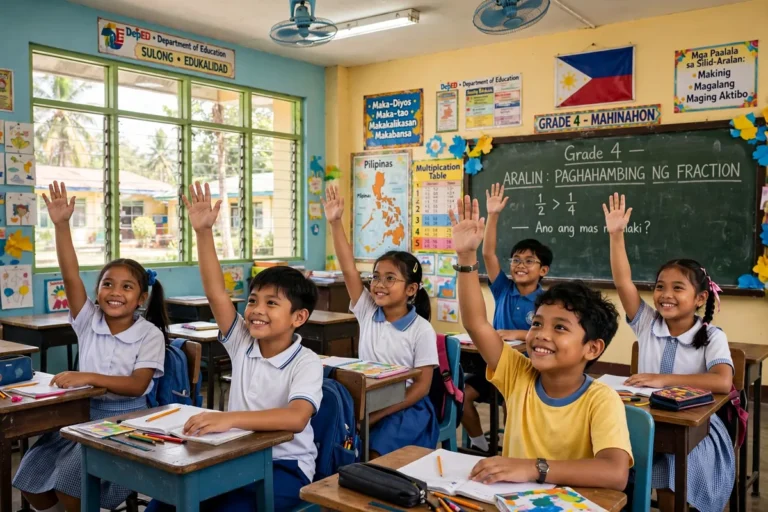
If you searched for an shs curriculum guide, you need to hear the biggest news in Philippine senior high school first: the strands are gone. Starting school year 2026-2027, every incoming Grade 11 learner in the country — public and private — enters the Strengthened Senior High School curriculum, which replaces STEM, ABM, HUMSS, GAS, and the rest of the old strand system with two tracks, five core subjects, and elective clusters you mix to fit your goals.
That change confuses a lot of families, because most guides online still describe the old system as if it were current. This guide covers both: what the old tracks and strands were (so you can understand older advice and older students’ records), what the new system actually looks like, the five core subjects, the elective clusters, work immersion rules, and a track chooser tool. There is also a free PDF at the end.
SHS Track Chooser (Tool)
Answer three quick questions and get a starting recommendation. This is a guide, not a verdict — talk to your school’s guidance counselor and take the NCAE before deciding.
What Is Senior High School (SHS)?
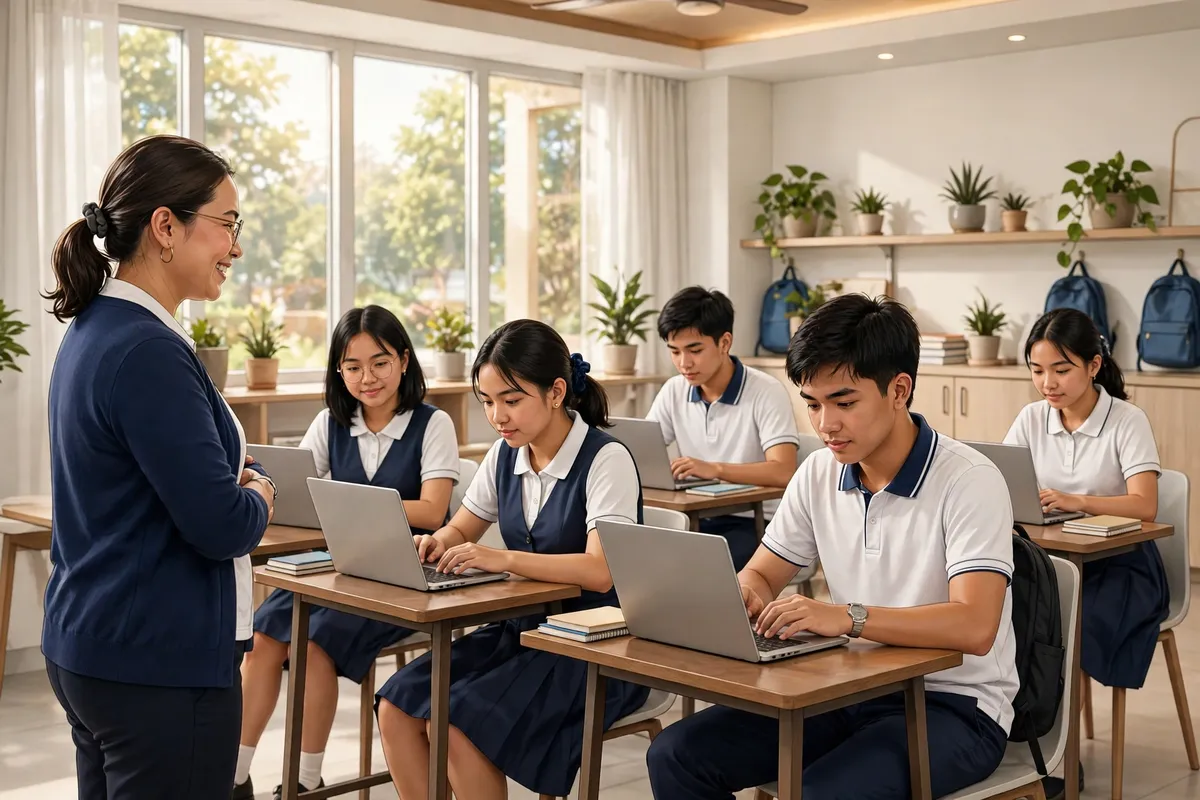
Senior High School is Grades 11 and 12 — the final two years of the K-12 system created by Republic Act No. 10533, the Enhanced Basic Education Act of 2013. After finishing Grade 10, learners do not go straight to college or work. They spend two years in SHS, which is designed to do three things at once: prepare them for college, prepare them for work, or prepare them to start a business.
That three-way purpose is why SHS has always been structured differently from junior high. Junior high gives everyone roughly the same subjects. SHS asks learners to specialize — to choose a direction and spend two years building toward it. The argument over SHS has always been about how much specialization is right: too much, and a 16-year-old is locked into a path too early; too little, and graduates leave unprepared for anything specific. The Strengthened SHS reform is DepEd’s latest answer to that argument.
The Old System: Tracks and Strands
For most of the K-12 era, SHS worked like this: four tracks, and inside the Academic track, four strands. Every guide, every enrollment form, and every piece of advice from older students used this vocabulary — which is why you still see it everywhere.
| Track | Strands / Focus | Best For |
|---|---|---|
| Academic | STEM (Science, Technology, Engineering, Mathematics); ABM (Accountancy, Business, Management); HUMSS (Humanities and Social Sciences); GAS (General Academic Strand) | College-bound learners |
| Technical-Vocational-Livelihood (TVL) | Home Economics; Information and Communications Technology (ICT); Agri-Fishery Arts; Industrial Arts (plus maritime specializations) | Learners wanting job-ready skills and TESDA National Certificates |
| Sports | Sports and coaching | Student-athletes |
| Arts and Design | Media arts, visual arts, performing arts | Creative learners |
Under that system, SHS also had 15 core subjects that every learner took regardless of track, plus applied and specialized subjects tied to the chosen strand. A STEM learner’s two years looked very different from a TVL learner’s two years — different subjects, different assessments, different certificates at the end. That rigidity is exactly what the reform targets.
Strengthened SHS in SY 2026-2027: The New SHS Curriculum Guide
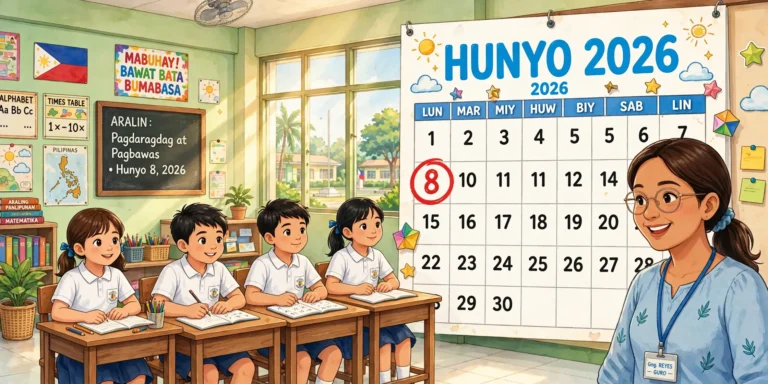
Here is the timeline, verified from DepEd’s own memoranda and news reports. In school year 2025-2026, DepEd piloted the Strengthened SHS curriculum in 891 schools for Grade 11. On February 27, 2026, DepEd released Memorandum No. 012, s. 2026, ordering full implementation: every incoming Grade 11 learner in all public and private schools starts the Strengthened SHS curriculum in SY 2026-2027. The pilot schools extend it to their Grade 12 learners the same year.
What about Grade 12 learners in non-pilot schools? They are the exception that proves the transition is careful, not chaotic. Under DepEd Memorandum No. 036, s. 2026, only incoming Grade 12 learners who already took the revised Grade 11 subjects in the pilot year continue under the revised curriculum. Other Grade 12 learners finish under the existing curriculum, so nobody’s final year is disrupted mid-stream. If you are a Grade 12 learner in 2026-2027, your school can tell you in one sentence which curriculum you are on — ask, and do not assume.
The reform has three structural changes, and they are all worth understanding separately: the core subjects shrink from 15 to 5, the tracks shrink from 4 to 2, and fixed strands become flexible elective clusters. Each one is covered below.
The 5 New Core Subjects
Under the old system, SHS learners carried 15 core subjects. Under the Strengthened SHS curriculum, there are only five — and all five are completed in Grade 11, as full-year subjects. Grade 12 has no core subjects at all under the revised curriculum, because the cores are already done. That is a deliberate trade: finish the foundations in one year, then spend Grade 12 on electives, immersion, and specialization.
| Core Subject | What It Covers |
|---|---|
| Effective Communication (Mabisang Komunikasyon) | Reading, writing, speaking, and listening for real life and work — the communication foundation every track needs |
| Life Skills (Life and Career Skills) | Personal development, career planning, decision-making, and everyday life management |
| General Mathematics | Functions, business math, logic, and the quantitative reasoning used in college and work |
| General Science | Scientific literacy across the disciplines — the science every graduate should carry, whatever their track |
| Pag-aaral ng Kasaysayan at Lipunang Pilipino (Philippine History and Society) | Philippine history and society — identity, citizenship, and the context graduates need as Filipinos |
Parents sometimes hear “only five subjects” and worry the curriculum got thinner. It did not — it got reorganized. The old 15 cores were spread thin across two years. The new five go deeper across one full year each, and the time freed up goes to electives the learner actually chose. Depth over spread is the whole philosophy of the reform.
Two Tracks and Elective Clusters
Forget four tracks. There are now two: the Academic Track and the Technical-Professional (TechPro) Track, which is the enhanced former TVL track. Everything else — the old strands, the old applied and specialized labels — is replaced by electives.
Electives are grouped into themed clusters, and learners choose from them based on interest, career goals, and college plans. Schools may allow mixing electives across clusters. The clusters are:
- Arts, Social Sciences, and Humanities — the HUMSS world: literature, social sciences, arts, and communication
- Business and Entrepreneurship — the ABM world: accounting, business, marketing, and starting a venture
- STEM — the STEM world: advanced math, sciences, engineering, and technology
- Sports, Health, and Wellness — athletics, fitness, and health careers
- Agri-Fishery Arts — agriculture and fisheries skills
- ICT — information and communications technology
- Family and Consumer Science — home economics and consumer life
- Industrial Arts and Maritime — trades, industrial skills, and maritime careers
- Field Experience — structured exposure to workplaces and professions
Notice what this means for the old advice. “Take STEM” no longer means enrolling in a fixed STEM strand with a fixed subject list. It means choosing the Academic Track and loading your electives from the STEM cluster (plus whatever else interests you). “Take ABM” means Academic Track plus Business and Entrepreneurship electives. A learner who loves both biology and business can now take electives from both clusters — something the old strand system made difficult or impossible.
Work Immersion and Field Exposure
One thing the reform keeps — and strengthens — is real workplace experience in Grade 12. The rules differ by track, and the difference matters:
| Track | Grade 12 Requirement |
|---|---|
| TechPro Track | Work immersion is MANDATORY, 320 to 640 hours, aligned with industry demands |
| Academic Track | Work immersion is OPTIONAL but recommended for learners seeking immediate post-secondary employment; college-bound learners are instead recommended to take Field Exposure |
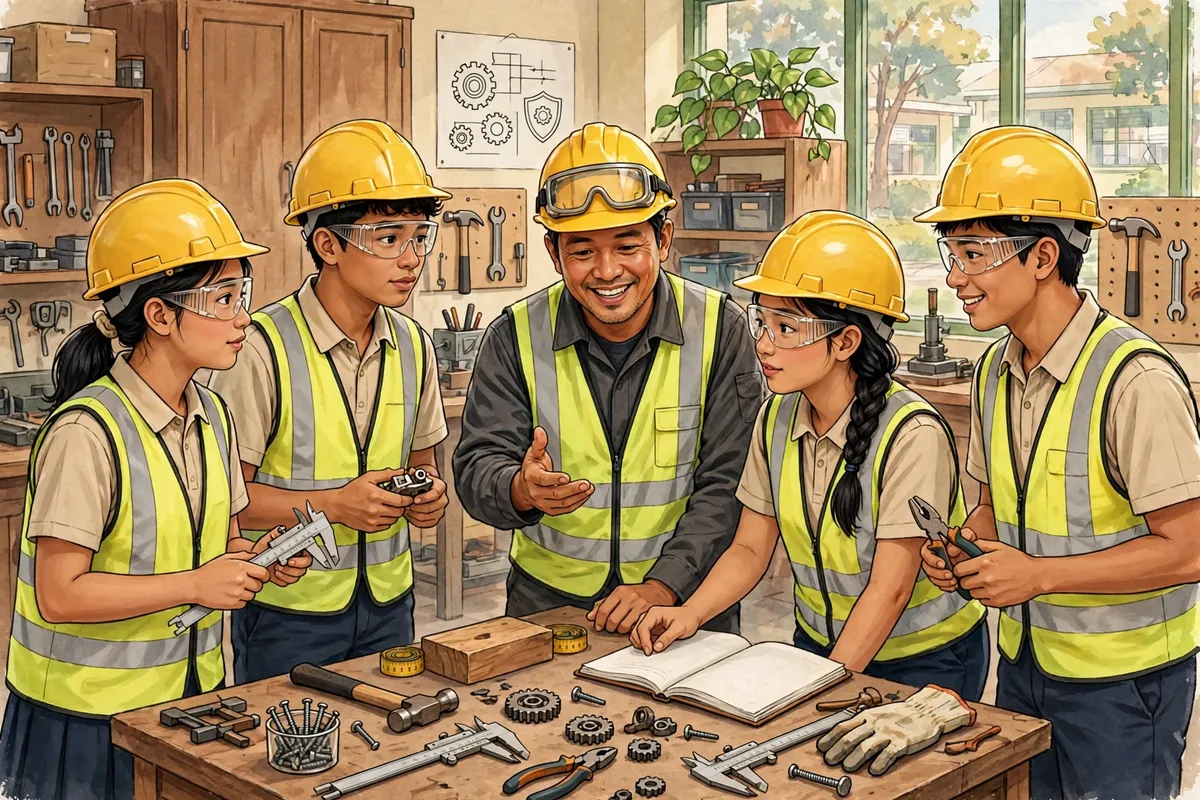
For TechPro learners, immersion is the point of the track: hundreds of hours in a real workplace, building the skills and the industry connections that lead to employment — and, where applicable, TESDA National Certificates. For Academic learners headed to college, Field Exposure is the recommended alternative: structured visits and experiences that help you choose a college course with your eyes open, instead of guessing from a brochure.
How to Choose Under the New System
Old advice does not translate one-to-one, so here is the mapping most families need. If someone tells you “take STEM,” they now mean Academic Track plus STEM-cluster electives. “Take ABM” means Academic Track plus Business and Entrepreneurship electives. “Take HUMSS” means Academic Track plus Arts, Social Sciences, and Humanities electives. “Take TVL” means the TechPro Track, with its mandatory immersion. “Take GAS because you’re undecided” is the one case where the new system is strictly better: instead of a generic strand, you mix electives from several clusters and discover what fits.
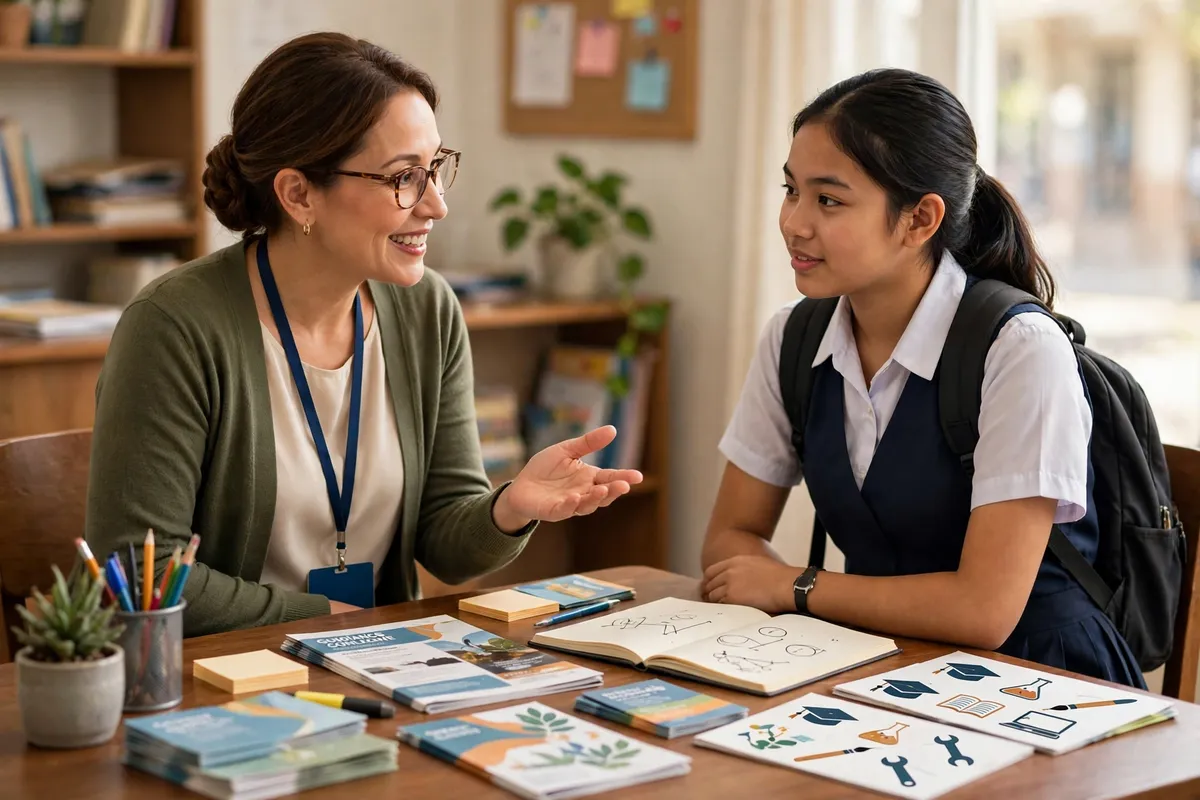
Three practical tips. First, take the NCAE (National Career Assessment Examination) seriously — it measures aptitudes, not just grades, and it is the best single input to a track decision. Second, check what your school actually offers: elective clusters depend on teachers and facilities, and not every school offers every cluster. Third, think in two steps: Grade 11 is the five cores no matter what, so your real choice is about Grade 12 electives and immersion. You have a full year to decide well.
For the road that leads here — how the junior high years build toward this choice — see our guide to all subjects in Grade 7, which shows the subject load learners carry before SHS begins.
What Stays the Same
Amid all the change, the foundations did not move. SHS is still two years, Grades 11 and 12. Graduates still receive a diploma and can apply to college, seek work, or start a business. TechPro graduates can still earn TESDA National Certificates. And the purpose DepEd states for the reform — mastery of foundational skills, more learner choice, and better workforce readiness — is the same purpose SHS always had. What changed is the machinery, not the mission.
Frequently Asked Questions
Are SHS strands gone?
Yes, under the Strengthened SHS curriculum. STEM, ABM, HUMSS, GAS, and the TVL strands are replaced by two tracks (Academic and TechPro) plus elective clusters. Incoming Grade 11 learners in SY 2026-2027 all follow the new system.
I am in Grade 12 in 2026-2027. Which curriculum am I on?
It depends on your school. If you took the revised Grade 11 subjects in a pilot school in SY 2025-2026, you continue under the revised curriculum (DepEd Memorandum No. 036, s. 2026). Otherwise, you finish under the existing curriculum. Ask your school to confirm.
What are the 5 core subjects of the new SHS?
Effective Communication, Life Skills, General Mathematics, General Science, and Pag-aaral ng Kasaysayan at Lipunang Pilipino. All five are completed in Grade 11.
Is work immersion required?
For TechPro learners, yes — 320 to 640 hours, mandatory. For Academic learners, immersion is optional but recommended if you plan to work right after SHS; college-bound Academic learners are recommended to take Field Exposure instead.
Can I mix electives from different clusters?
Yes, where your school allows it. The cluster system is designed for mixing — a learner can combine STEM electives with business electives, for example. Check your school’s actual offerings first.
Does SHS still matter for college admission?
Yes. SHS remains the final two years of basic education, and its diploma, grades, and track record are part of college applications. The new core subjects are designed to build exactly the foundational skills colleges expect.
Conclusion
The SHS curriculum guide for 2026 is a different document from the one most websites still show. The old system — four tracks, fixed strands, 15 core subjects — has been replaced for every incoming Grade 11 learner by the Strengthened SHS curriculum: two tracks, five core subjects finished in Grade 11, elective clusters you can mix, and immersion rules that depend on your track.
If you are choosing now, start with the five cores (everyone takes them), use the chooser tool above and your NCAE results to pick a track, and confirm your school’s elective offerings before enrolling. And if you want the old-vs-new comparison and a planning checklist in one printable page, grab the free PDF below. For the complete subject picture across all grades, start at the MATATAG Curriculum and follow the guides from there.
Download the free SHS checklist (PDF)
Sources & References
- Philstar — Strengthened SHS curriculum fully implemented this coming school year (March 4, 2026)
- Philstar — Revised senior high school pilot rollout to proceed despite concerns (May 30, 2026)
- DepEd Memorandum No. 012, s. 2026 (full implementation of Strengthened SHS in Grade 11, SY 2026-2027)
- DepEd Memorandum No. 036, s. 2026 (Grade 12 coverage under the revised curriculum)
- Republic Act No. 10533 — Enhanced Basic Education Act of 2013